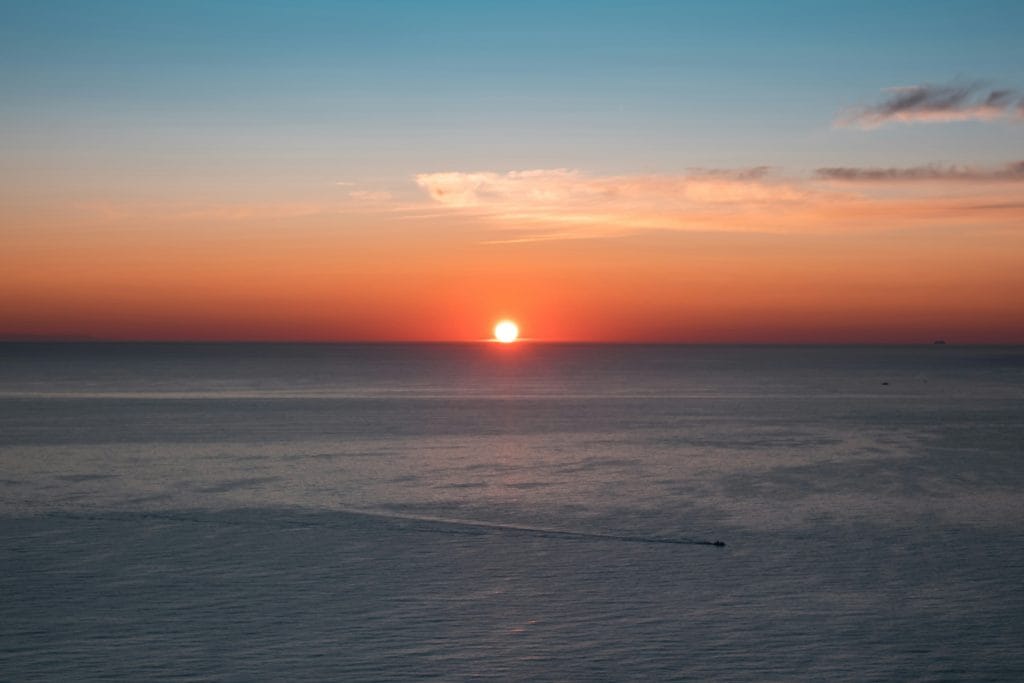
Best Spots to See Japan’s First Sunrise of the Year
Hatsuhinode, the first sunrise of the year, is a special moment in Japan. Here are five places to watch it on January 1st, plus where to stay the night before and practical travel tips.
Hatsuhinode, the first sunrise of the year, is a special moment in Japan. Here are five places to watch it on January 1st, plus where to stay the night before and practical travel tips.
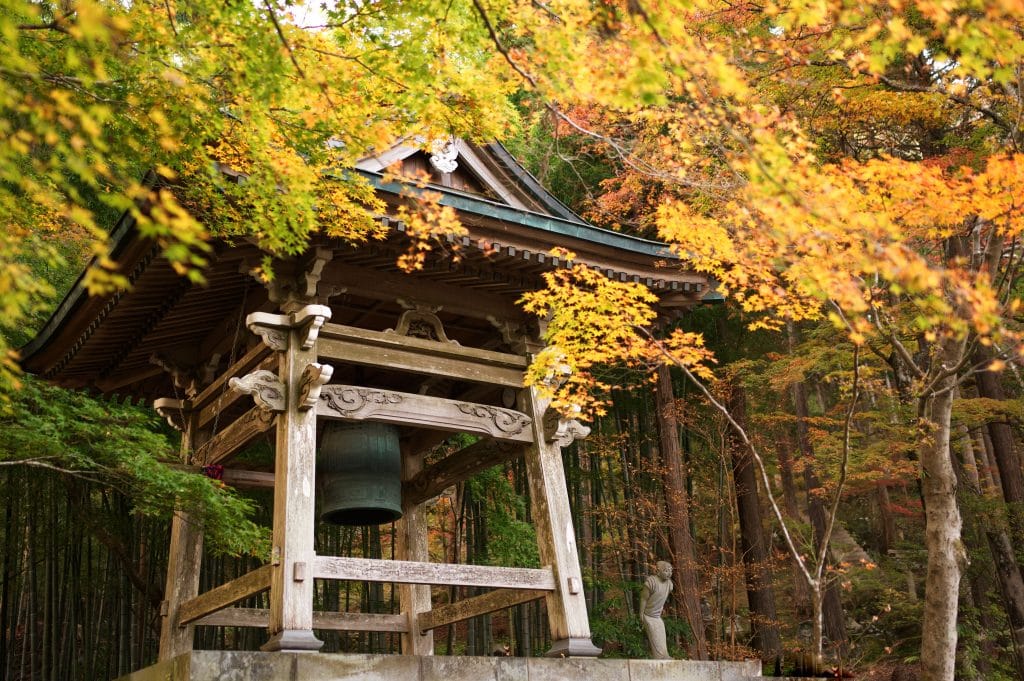
New Year’s Eve in Japan is quiet rather than loud: toshikoshi soba, a long-running TV music special, and temple bells ringing 108 times. Here are five places to ring in the New Year, with practical tips and late-night stays.
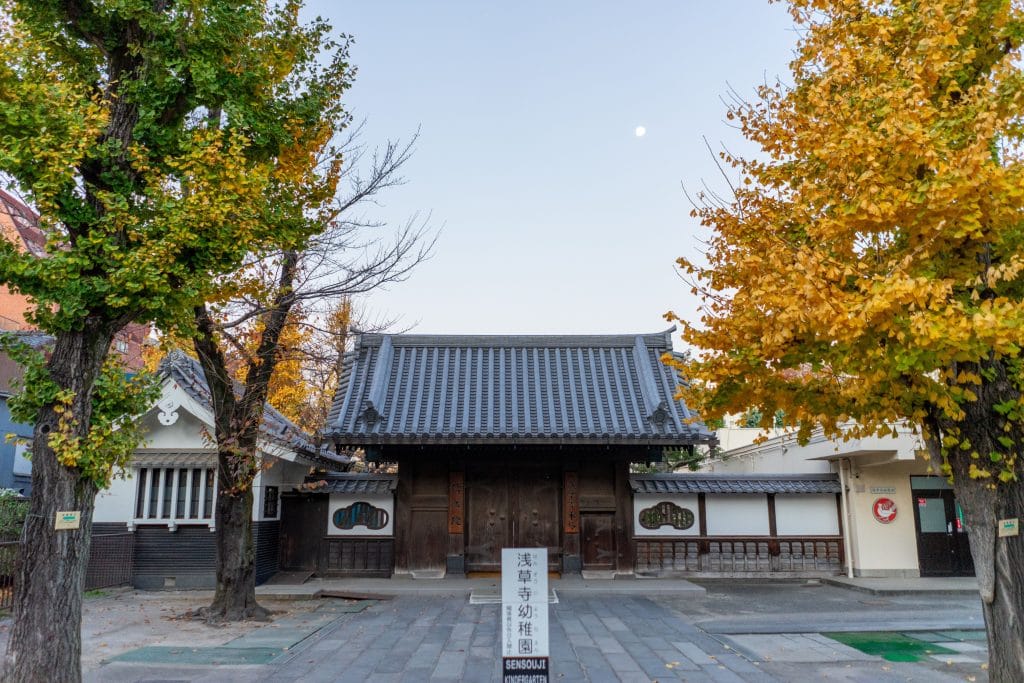
Hatsumode, the first shrine or temple visit of the year, is one of Japan’s biggest national rituals. Here are five of the most-visited spots, where to stay, and how to join in.
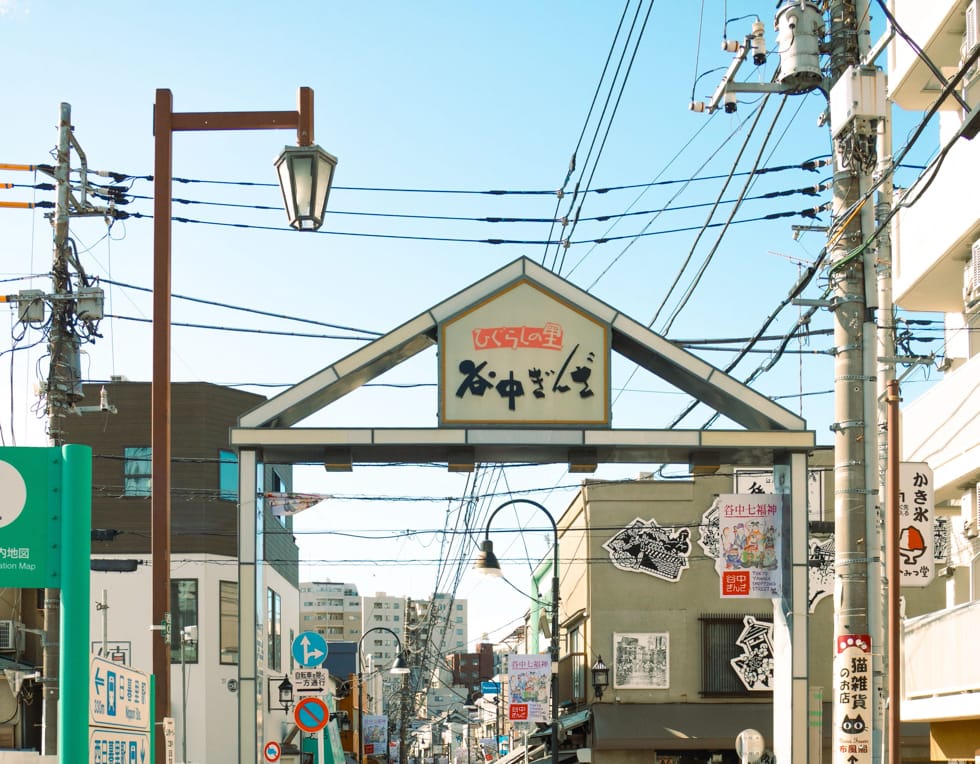
Most first-time Tokyo visitors see two versions of the city: the neon-and-skyscraper version (Shibuya, Shinjuku, Akihabara) and the temple-and-tradition version (Asakusa). Yanaka shows you a third one, a version of Tokyo that quietly survived both the 1923 earthquake and the WWII firebombing that leveled most of the surrounding city, leaving behind narrow lanes, wooden houses, and a genuinely unhurried pace that’s hard to find anywhere else this close to central Tokyo. It’s become a real favorite with international visitors in recent years, and once you understand what makes this pocket of the city different, it’s easy to see why. 🏘️ What Is Yanesen? Tokyo’s Old Shitamachi Neighborhood “Yanesen” (谷根千) is

Tokyo in winter has a split personality. During the day, it’s cold, gray, and a little rushed. But once the sun drops, usually by 5 PM from late November through February, the whole city flips a switch. Millions of LED bulbs go up across dozens of neighborhoods, and for about three months, Tokyo becomes one of the best cities on earth for a slow, glowing night walk. This guide pairs ten of the city’s best illumination spots with a nearby place to eat, because standing around in near-freezing temperatures looking at lights is a lot more fun with something warm in your hands. Work through this list as a checklist,

Step through the right door in Ueno or Akihabara and Tokyo rewinds fifty years. The neon and vending machines fall away, replaced by chandeliers, cracked leather booths, and the smell of hand-dripped coffee that’s been served the exact same way since the Showa era. This is kissaten culture, Japan’s original coffee shop tradition, and it’s genuinely one of the most underrated things to seek out in the city. And Ueno and Akihabara happen to hold some of the best surviving examples anywhere in Tokyo. So let’s slow down for a minute and go find a cream soda. ☕ Japanese Kissaten Etiquette & Cafe Basics A kissaten isn’t a coworking space.

Walk five minutes south from Akihabara’s blaring anime jingles and maid cafe touts, and the whole city changes tone. Kanda is quiet, old, and stubbornly unglamorous, a neighborhood of curry shops, secondhand bookstores, and soba houses that have been doing the exact same thing since before the Great Kanto Earthquake. And that contrast is the whole appeal of pairing these two together. One’s electric. The other’s a time capsule. So let’s dig into both. 🎮 Akihabara & Kanda Travel Rules & Deep Culture Basics Akihabara’s electronics and hobby shops almost all participate in Japan’s tax-free shopping program for purchases over ¥5,000, so bring your passport if you’re planning on buying

If Tokyo has a pulse, you can feel it right at Shibuya Crossing. Thousands of people flood the intersection every time the light changes, neon screens tower overhead, and somewhere close by, a line of teenagers is already forming outside a donut shop that opened twenty minutes ago. And a fifteen-minute walk north gets you to Harajuku, where the energy shifts into something louder and weirder: Takeshita Street’s candy-colored storefronts, vintage shops stacked on vintage shops, and Cat Street’s quieter, more curated version of the same trend-chasing spirit. This is Tokyo’s youth culture engine, and it’s genuinely one of the most fun parts of the city to just wander through.

The sun goes down in Shinjuku and the whole neighborhood changes personality. Red lanterns flicker on above Omoide Yokocho’s smoky alleyways, Kabukicho’s neon signs stack twenty stories into the sky, and somewhere in Golden Gai’s maze of tiny doorways, a bartender is polishing a single glass in a bar that seats six people. And it’s electric. So if you’re building a Tokyo night out, this is the neighborhood that delivers on every version of it: grimy yakitori counters, hidden speakeasies, and hotels close enough to stumble home from all of it. 🏮 Shinjuku Nightlife Etiquette & Bar Rules Golden Gai’s tiny bars almost always charge a table fee, called an